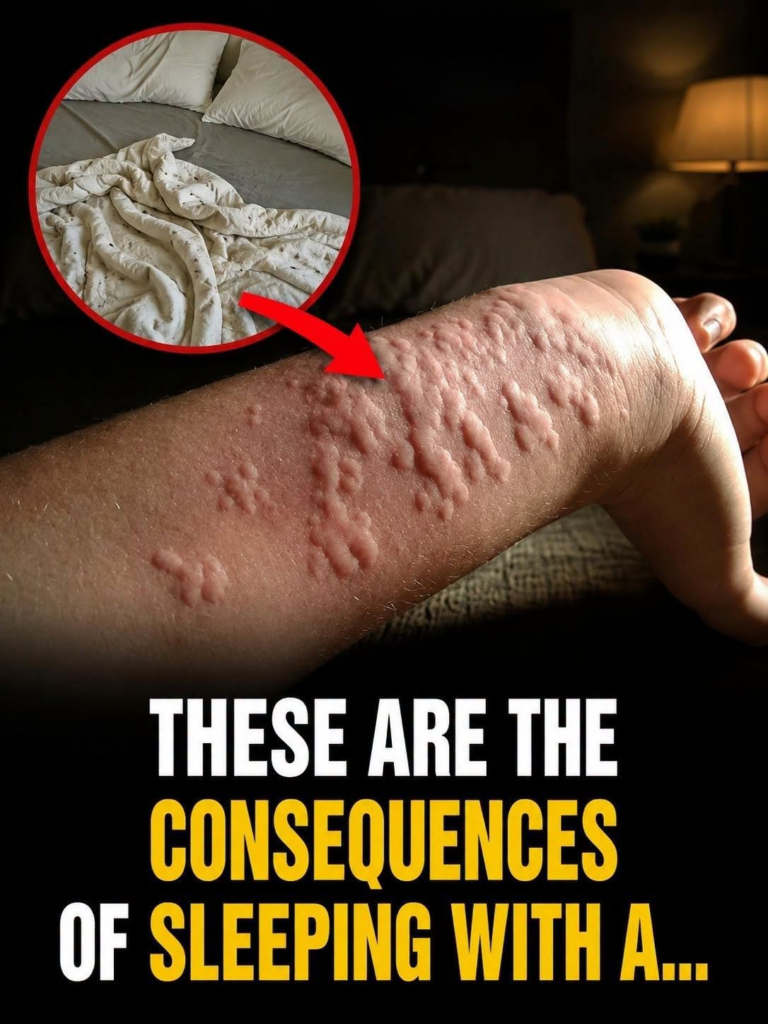
There are few things more frustrating than waking up with itchy, swollen bumps that were not there when you went to sleep. You scratch groggily, squint in the morning light, and wonder where they came from. While occasional insect bites can happen anywhere, repeatedly developing clusters of welts after sleeping suggests your bedroom deserves closer attention. If you are reading this with worry or embarrassment, take a slow, deep breath. You are not alone. Unwelcome nighttime visitors are more common than you might think, and they are absolutely not a reflection of your cleanliness or your worth. Let us gently walk through how to identify the source, what steps to take next, and how to restore your sanctuary to a place of true rest.
Understanding the Most Common Culprit
One of the most frequent causes of mysterious nighttime bites is the bed bug. These small, reddish brown, flat insects feed on human blood, usually during the night. They are masters of concealment, hiding in mattress seams, tufts, and folds, as well as inside box springs, bed frames, headboards, and footboards. They also favor furniture joints, cracks, the spaces behind wallpaper or electrical outlets, and the edges of curtains or carpets. Because they are nocturnal and incredibly small, about the size of an apple seed, many people never actually see them until an infestation becomes more noticeable.
Their bites often appear as small, red, itchy bumps that may occur in clusters or straight lines on exposed areas like the arms, shoulders, neck, or legs. However, skin reactions vary greatly. Some people develop obvious, intensely itchy welts, while others show little to no reaction despite being bitten, making self diagnosis difficult.
Exploring Other Potential Causes

Before you panic, it is important to know that similar skin rashes may result from several other sources. A gentle, thorough investigation is key. Fleas are a common culprit, especially if you have pets. Flea bites often appear around the ankles or lower legs, and your pets may also be scratching excessively. Mosquitoes are another possibility, typically leaving random, isolated bites if you had windows open or spent time outdoors.
Allergic reactions can also mimic bites. If a rash appears after using a new detergent, fabric softener, or sheets, and there are no distinct bite marks, you may be reacting to the product. Eczema or dermatitis can cause dry, scaly patches and chronic itching that worsens with stress or dry air, rather than appearing in bite clusters. Finally, scabies causes intense itching, especially at night, and presents as thin, wavy burrow lines on the skin. This condition is highly contagious and requires immediate medical attention and prescription treatment.