Picture this scenario. You are at the hardware store with a bag of drawer pulls on the counter when the cashier looks up and asks for your phone number to pull up a warranty. You freeze. It is that brief, awkward pause where you weigh the discomfort of saying no against the impatience of the people shuffling behind you with lumber. This small moment happens constantly at registers everywhere. While it might seem like a simple question, the reasons behind it are a complex mix of genuine customer service and aggressive corporate data collection.
The Marketing Engine
When a cashier asks for your digits, it is rarely out of personal curiosity. It is almost always a corporate mandate driven by marketing teams. Your phone number acts as a unique identifier, a tidy little key that allows a retailer to cross-reference your information and often uncover your mailing address. This is why stores claim the number helps them send special offers, which usually translates to physical coupons and catalogs arriving in your mailbox.
More significantly, your number allows the store to build a comprehensive customer profile. By attaching your phone number to every purchase, the retailer can quietly stitch together your buying habits over months or years. If you buy paint in March, a lawnmower in June, and patio chairs in July, the store builds a detailed picture of you as a consumer. This data directly shapes the targeted advertisements and deals you receive. Retailers ask for zip codes for the exact same demographic mapping reasons. While this practice is not inherently malicious, it is crucial to understand that the number you rattle off out of habit is performing heavy lifting behind the scenes, often without any direct benefit to you.
The Consumer Benefits
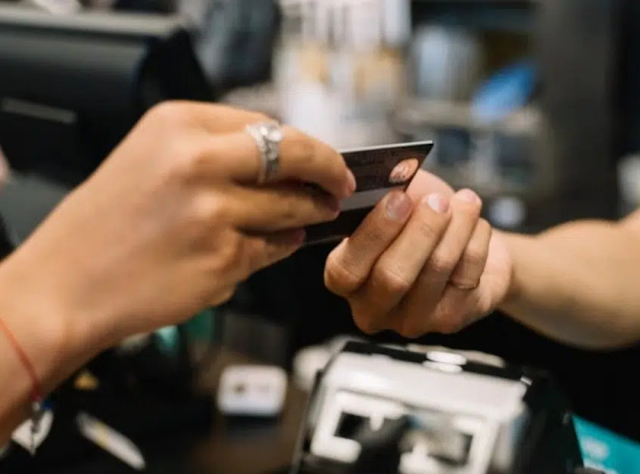
To be fair, there are legitimate advantages to sharing your number. Loyalty programs represent the most transparent version of this exchange. Many retailers now link reward points, member discounts, and fuel savings directly to a phone number rather than a physical card. Punching in ten digits to instantly knock money off your total is a genuine perk.
Additionally, providing your number can generate a digital receipt, which is incredibly useful for anyone prone to losing paper receipts in car door pockets. It also streamlines the return process. If you need to return an item, the store can simply look up the original transaction using your phone number, allowing for a seamless refund without the need to hunt down a crumpled piece of paper. The trade-off is straightforward. You hand over personal data, and in return, you receive loyalty points, easier returns, and digital record-keeping. Whether this is a fair exchange depends entirely on how much you value your privacy.
The Hidden Costs
The primary reason many shoppers now hesitate is the loss of control over their personal information. Once your phone number enters a store database, you have little say in where it goes next. It can be stored indefinitely, shared with third-party marketing partners, or swept up in a data breach, an unfortunately common occurrence for companies of all sizes.
If you have noticed a steady increase in spam calls and text messages, every checkout counter where you surrender your number adds another copy of it to the digital ether. It is one more list your information might land on, increasing your overall exposure. There is no need to panic, but it is important to recognize that a phone number typed at a register is no longer a private detail once it is entered into a corporate system.
Navigating the Checkout Counter
The good news is that declining this request is entirely manageable, and cashiers generally do not mind. It is simply a policy prompt, not a personal interrogation. A simple statement like “No thanks” or “I would rather not” is usually enough to end the inquiry. If the cashier pushes back, you can ask the magic question: “Is that required to finish the purchase?” The answer is almost always no. Stores can and will complete your sale without your phone number, even if their phrasing makes it feel mandatory.
If you do want to participate in a loyalty program, you can ask if the store accepts a generic member number instead of your personal phone number. Many systems allow for this alternative. Furthermore, you can almost always opt out of mailers and text messages after joining a program. It is best to keep your tone friendly, remembering that the person scanning your items did not write the rule; they are merely reading a prompt on their screen.
A Practical Approach
My current approach at the register is simple and highly effective. I always ask if providing the number is required. If it is not, I skip it, unless there is an immediate, tangible discount attached to the transaction. For loyalty programs I genuinely care about, I use a separate, secondary phone number dedicated solely to catching marketing texts, keeping my primary line quiet. My standard response, delivered with a polite smile, is always the same: “No thanks, I will pass on that.” By understanding the mechanics behind the question, you can confidently make the choice that best protects your privacy and suits your shopping habits.